
¿Cuánto deberías pagar por un nombre de dominio? Guía de presupuesto para fundadores
Un nombre de dominio puede costarte 9 o 90.000 dólares, y en la brecha entre esas dos cifras es donde la mayoría de los fundadores se pierden. La pantalla de pago de un registrador dice una cosa, el correo de propuesta de un intermediario dice otra, y una herramienta de «tasación» escupe una cifra alarmantemente precisa que resulta ser pura ficción. Entonces, ¿cuánto deberías pagar realmente? Esta guía te da una cifra real para cada situación — y una regla firme sobre cuándo alejarte y registrar algo nuevo en su lugar.
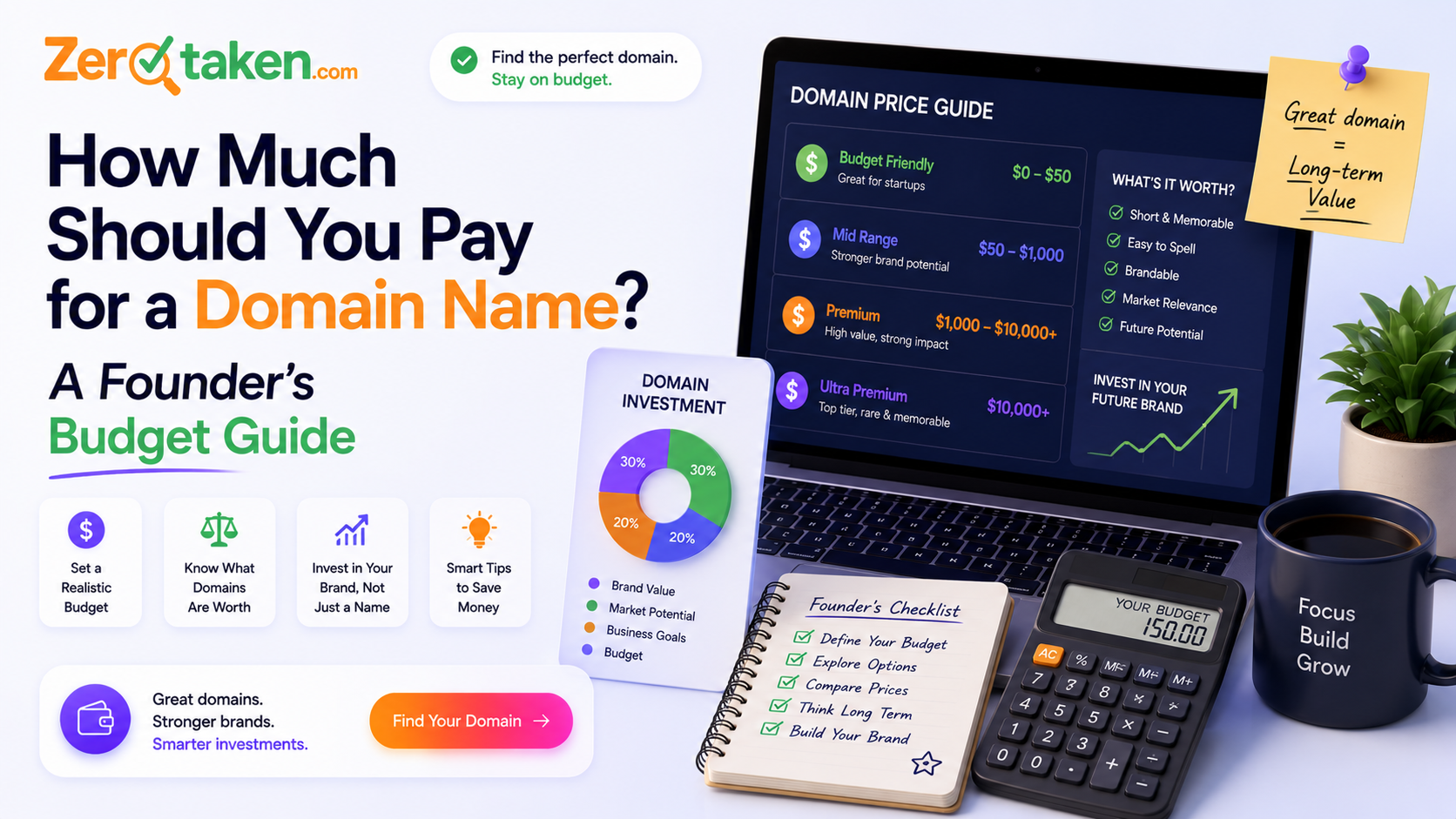
¿Cuánto cuesta realmente un nombre de dominio en 2026?
Para un nombre normal y sin registrar, la respuesta honesta es aburrida: entre 10 y 15 dólares al año para un .com, y entre 30 y 50 dólares al año para extensiones como .io o .co. Eso es todo. No hay descuento por volumen que perseguir ni ningún nivel mayorista secreto: un dominio registrado en un registrador que cobra a precio de coste cuesta casi exactamente lo que cobra el registro, porque los dominios son una materia prima.
Dos cosas inflan silenciosamente esa cifra. La primera es la trampa de la renovación: un registrador anuncia 1 o 5 dólares el primer año, y luego renueva para siempre a 18 o 22 dólares. Te registras una vez y pagas durante años, así que el precio de renovación es el precio real: compruébalo siempre antes de comprar. La segunda es una etiqueta de «premium» fijada por el propio registro: algunos nombres cortos o cargados de palabras clave son marcados por el registro mismo y tienen un precio de cientos de dólares al año aunque nadie los haya poseído jamás. Eso no es una reventa; es el registro decidiendo que el nombre es deseable.
Para un primer dominio, presupuesta entre 10 y 15 dólares al año y niégate a pagar una tarifa anual premium a menos que tengas una razón concreta. Un nombre que se renueva a 200 dólares al año es un alquiler del que te arrepentirás para el tercer año.
¿Por qué algunos dominios cuestan 2.000 dólares en lugar de 12?
Porque alguien ya los posee. Todo .com corto, de palabra real o claramente apto para convertirse en marca fue registrado hace años, y una gran parte está en manos de inversores que compran nombres únicamente para revenderlos. Cuando ves un precio de cuatro o cinco cifras en mercados como Sedo, Afternic o Dan, no le estás pagando a un registro: le estás pagando a un vendedor que apuesta a que un fundador como tú querrá esa cadena exacta lo suficiente como para pagarla.
Este es un mercado real con una mecánica real: intermediarios que negocian a comisión (normalmente entre el 10 % y el 20 %), servicios de depósito en garantía que retienen tu dinero hasta que el nombre se transfiere, y cifras de «tasación» que, sin rodeos, son marketing. Las herramientas de valoración automatizadas se entrenan con precios de venta pedidos y ventas pasadas de nombres radicalmente distintos; trata cualquier tasación como punto de partida para una conversación, nunca como prueba de que un precio es justo.
El cambio mental clave: el precio en el mercado secundario no tiene nada que ver con lo que vale el dominio para dirigir un negocio. Lo fija enteramente lo que el vendedor cree que estarás dispuesto a pagar. Eso significa que es negociable, y significa que nunca estás obligado a participar.
¿Cuándo vale realmente la pena un dominio premium del mercado secundario?
Rara vez antes de tener ingresos, y seré tajante al respecto. Una startup previa al lanzamiento que gasta 8.000 dólares en el .com «perfecto» de una sola palabra normalmente está comprando tranquilidad, no clientes. Nadie se da de baja porque tu nombre tenga una sílaba de más, y ningún inversor de capital semilla ha rechazado jamás una empresa por usar un .io. Ese dinero compra muchísima más autonomía en forma de publicidad, una primera contratación, o seis meses extra de supervivencia.
Existen excepciones honestas. Un nombre premium puede valer dinero de verdad cuando el propio dominio es el foso defensivo: un término de coincidencia exacta en el que se apoya toda tu estrategia de adquisición, un nombre en el que vas a invertir mucho para grabarlo en la memoria (donde dos sílabas ahorradas se acumulan a lo largo de millones de impresiones), o una compra defensiva para impedir que un competidor se quede con la dirección obvia de tu marca. Si estás financiado, ya has superado el ajuste producto-mercado, y el nombre reduce de forma medible tu coste de ser recordado, una compra meditada de cinco cifras puede tener sentido.
La prueba es sencilla: ¿puedes trazar una línea directa de esta cadena concreta hacia el dinero o hacia la defensibilidad? Si la respuesta honesta es «simplemente se siente más legítimo», eso es un sentimiento que puedes comprar por 12 dólares con un nombre apto para marca más ingenioso.
¿Cómo evitas pagar de más cuando sí compras en el mercado secundario?
Asume que el precio pedido es una primera oferta, porque casi siempre lo es. Los vendedores publican precios altos esperando una negociación, y una contraoferta serena del 40–60 % del precio pedido es normal, no insultante. Ancla bajo, mantén la calma y muéstrate genuinamente dispuesto a marcharte: en el momento en que un vendedor percibe que te has enamorado del nombre, tu poder de negociación desaparece.
Protege también la transacción. Nunca transfieras dinero directamente a un desconocido por un dominio; usa un servicio de depósito en garantía de confianza para que el nombre se transfiera antes de que se libere el dinero. Confirma exactamente qué estás recibiendo — solo el dominio, o cualquier marca registrada, logotipo o tráfico — y déjalo por escrito. Vigila las mismas trampas de renovación que afectan a los registros nuevos, y recuerda que el incentivo de un intermediario es cerrar la venta, no ayudarte a bajar el precio.
- Contraofrece el precio pedido — el 40–60 % del precio de lista es un primer movimiento normal, no un insulto.
- Usa un depósito en garantía (por ejemplo, Escrow.com) para que el dominio se transfiera antes de que tu dinero se libere.
- Ignora las tasaciones automatizadas como prueba de valor justo; son marketing, no hechos.
- Confirma por escrito qué está incluido — solo el dominio frente a cualquier marca, logotipo o tráfico.
- Comprueba el precio de renovación y quién lo posee actualmente antes de enamorarte del nombre.
¿Qué debería hacer en su lugar un fundador que se financia con recursos propios?
Gasta el dinero del mercado secundario en el negocio y registra un nombre nuevo por el precio de un almuerzo. La razón por la que el .com «perfecto» está ocupado es que estás buscando una palabra común, y las palabras comunes son precisamente lo que un nombre apto para marca sólido no necesita. Los nombres inventados y compuestos (piensa en las marcas acuñadas que usas a diario) son memorables precisamente porque no son palabras de diccionario, y su .com normalmente está ahí, sin registrar, por 12 dólares.
El flujo de trabajo que mantiene tu presupuesto intacto: haz una lluvia de ideas de raíces aptas para marca, y luego comprueba la disponibilidad en tiempo real antes de encariñarte con una sola opción, para que nunca te enamores de un nombre que en realidad no puedas poseer al precio de registro. Para eso exactamente está hecho ZeroTaken: describe tu idea, obtén candidatos aptos para marca, y ve en tiempo real cuáles están realmente libres en .com, .io y .co, para que te saltes por completo el mercado secundario.
¿Cuánto deberías gastar, según la etapa?
Si quieres un número que llevarte a tu próxima pestaña, usa este tope aproximado según dónde esté realmente tu empresa. El patrón es deliberado: cuanto más temprana sea tu etapa, menos vale una cadena concreta, porque no tienes ni el tráfico ni la certeza para hacer que valga la pena.
- Idea / noches y fines de semana: 10–15 $/año. Registra un nombre nuevo apto para marca. Cero gasto en el mercado secundario.
- Startup previa a los ingresos: menos de 500 $ en total, y solo si un gran nombre resulta ser barato. No fuerces la situación.
- Con ingresos, antes del ajuste producto-mercado: hasta unos pocos miles si el nombre encaja claramente — sigue sin ser un requisito.
- Financiada, en crecimiento, orientada a marca: unas cinco cifras meditadas pueden justificarse cuando el nombre reduce tu coste de ser recordado o bloquea a un competidor.
- En cualquier etapa: nunca pagues una renovación anual premium por un nombre que podrías sustituir por uno nuevo por 12 dólares.