
Yeni alan adı uzantıları (.app, .dev, .xyz) buna değer mi?
Sevdiğiniz .com gitti, ikinci el piyasa onun için beş haneli bir tutar istiyor, ve bir arama kutusu sessizce aynı ismi .app, .dev, veya .xyz'de on dolara öneriyor. Cazip, ve internet size seve seve ya 'yeni uzantılar gelecektir' ya da 'yeni uzantılar ucuz ve çaresiz görünür' fikrini satacaktır. İkisi de tembelce düşünülmüş. Bu rehber size gerçek dökümü sunuyor: bu uzantılar gerçekte ne, göz ardı ederseniz sitenizi bozacak tek teknik kural, SEO'ya veya e-postaya zarar verip vermedikleri, kimsenin sizi uyarmadığı yenileme tuzağı, ve yeni bir uzantının akıllı bir hamle mi yoksa teselli ödülü mü olduğuna dair net bir kural.
ZeroTaken'ı Google'da tercih edilen kaynak olarak ekle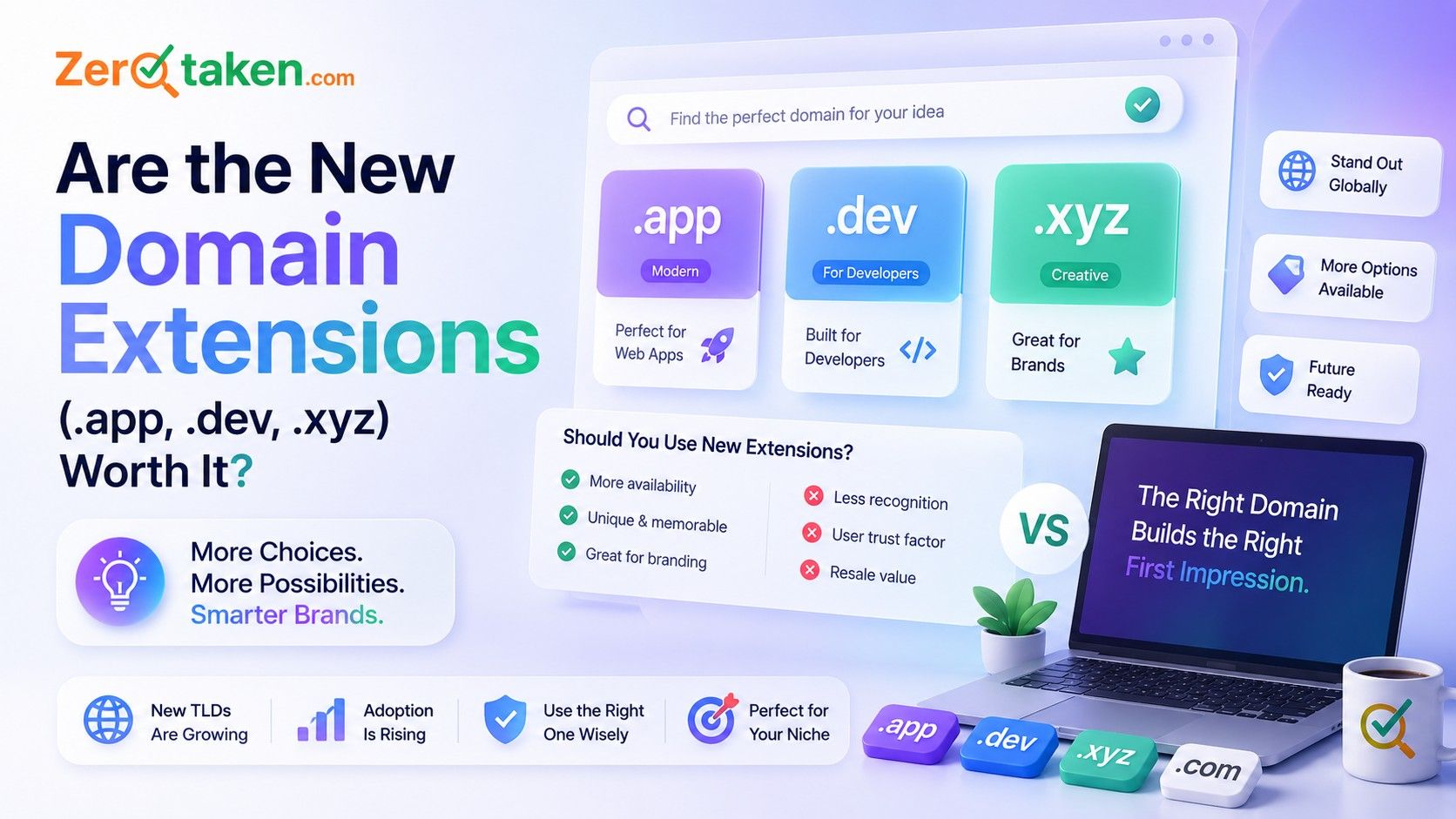
Aslında 'yeni' bir alan adı uzantısı sayılan nedir?
2013'e kadar internet kısa bir uzantı listesiyle çalışıyordu — .com, .net, .org, birkaç başka uzantı, ayrıca .uk ve .de gibi iki harfli ülke kodları. Sonra ICANN yeni jenerik üst düzey alan adı (gTLD) programıyla kapıları açtı, ve binden fazla yeni sonlanma yayına girdi: .app, .dev, .xyz, .shop, .tech, .online, ve hiç kullanıldığını görmediğiniz yüzlerce başka uzantı. Bu rehberde 'yeni uzantı', bu 2013 sonrası gTLD'ler anlamına gelir — sıradan bir kullanıcının hâlâ hafifçe şaşırdığı uzantılar. (Teknoloji camiasının favorisi olan .io ve .ai ülke kodları kendi ödünleşimleriyle ayrı bir konu; bu rehber tamamen yeni sonlanmalar hakkında.)
Anlaşılması gereken önemli şey, bunların tek bir kategori olmadığıdır. .app ve .dev, sıkı teknik kurallarla Google tarafından sıkı bir şekilde yönetilir. .xyz ucuz, yüksek hacimli, her şeyin serbest olduğu bir isim alanıdır. Bunları bir araya toplamak, kurucuların kötü kararlar almasının tam olarak nedenidir — doğru soru asla 'yeni uzantılar iyi mi' değil, 'bu belirli uzantı bu belirli marka için doğru mu' olmalıdır.
Yeni uzantılar gerçekten güvenilirliğinize zarar veriyor mu?
Bazen — ve bu tamamen kimin baktığına bağlıdır. Bir geliştirici, bir mühendis, veya Product Hunt ile GitHub'da yaşayan biri için, .dev veya .app üzerindeki bir isim güncel ve bilinçli okunur, ucuz değil. Teknik olmayan bir müşteri, küçük bir işletme sahibi, veya bir kurumsal satın alma ekibi için, tanıdık olmayan bir uzantı bir şüphe kıvılcımı tetikleyebilir: bu gerçek bir şirket mi, yoksa tıklamamam gereken bir bağlantı mı? Bu tereddüt adil değil, ama gerçek, ve tam olarak güven istediğiniz anda size mal olur.
Yani güvenilirlik sorusu kitleye bağlı çözülür. İsminizi yazan insanlar teknik veya sürekli çevrimiçiyse, iyi seçilmiş yeni bir uzantı konumlandırmanızı aktif olarak güçlendirebilir. Alıcılarınız ana akımsa — isminizi bir kez, bir akşam yemeği masasında veya bir toplantıda duyacaklar ve daha sonra hatırlamaya çalışacaklar — .com dışındaki her sapma sürtünmedir, çünkü kartvizitinizde ne yazarsa yazsın onların refleks parmakları .com yazar.
Neden .app ve .dev diğerlerinden farklı?
Bu ikisi mevcut en güçlü yeni uzantılardır, ve insanları hazırlıksız yakalayan bir kuralla gelirler: .app ve .dev HSTS ön yükleme listesindedir, bu da her büyük tarayıcının bunları düz HTTP üzerinden yüklemeyi reddettiği anlamına gelir. Geçerli bir HTTPS sertifikası olmadan, web sitesi olmaz — sayfa basitçe açılmaz. Pratikte bu küçük bir angaryadır (herhangi bir modern barındırma size ücretsiz bir sertifika verir), ama bu, önce SSL kurulu olmadan bu uzantılarda hızlı, güvenli olmayan bir açılış sayfası veya baştan savma bir dahili araç başlatamayacağınız anlamına gelir.
Aynı kural aynı zamanda satış noktasıdır da. Her iki uzantı da Google Registry tarafından işletilir, ve zorunlu-HTTPS politikası yapı gereği 'bu meşru, güvenli bir ürün' sinyali verir. .app bir mobil veya web uygulaması için doğal bir uyumdur; .dev geliştirici araçları, dokümantasyon, dahili platformlar, ve mühendislere yönelik markalar için neredeyse mükemmeldir. Kitleniz teknikse ve isminiz .dev veya .app'te müsaitse, bu, fazla tereddüt etmeden başvuracağım tek yeni uzantı grubudur.
.xyz'e ne demeli — kelepir mi, yük mü?
En çok tartışma yaratan bu. .xyz ucuz, müsaitlik açısından sonsuz, ve gerçek bir onur nişanına sahip: Google'ın ana şirketi Alphabet, abc.xyz'de yer alıyor. Gerçek, ciddi projeler tarafından kullanılmıştır ve web3, kripto, üretken yapay zeka oyuncakları, ve 'biz büyükbabanızın yazılım şirketi değiliz' sinyali vermek isteyen her şeye uyan belirgin şekilde ileri görüşlü, deneysel bir hissi vardır.
Yük de aynı derecede gerçektir. .xyz yıllardır agresif neredeyse ücretsiz promosyonlarla satıldığı için, muazzam miktarda tek kullanımlık ve spam kaydı çekmiştir, ve bazı spam filtreleri ile temkinli kullanıcılar tarihsel olarak buna sade bir .com'dan daha temkinli yaklaşmıştır. Bu itibar sönüyor, ama tamamen kaybolmadı. Dürüst değerlendirmem: .xyz, kitlesi göndermeyi anlayan topluluk-yerlisi, deneysel, veya web3 bir marka için meşru bir seçimdir — ve temkinli bir alıcıya güven satan bir fintech, sağlık ürünü, veya herhangi bir şey için bir yüktür.
Yeni bir uzantı SEO'nuza veya e-posta ulaşılabilirliğinize zarar verir mi?
SEO: hayır. Bu efsane ölmeyi reddediyor, o yüzden onu bitirelim. Google, sıralama amaçları için yeni gTLD'lerin .com ile aynı şekilde ele alındığını defalarca belirtmiştir — noktadan sonraki harfler bir sıralama faktörü değildir. .app veya .xyz üzerindeki bir site, bir .com ile aynı zeminde küresel olarak sıralanabilir; sizi sonuçlarda yukarı taşıyan şey, her zaman olduğu gibi, alaka düzeyi, geri bağlantılar, hız, ve içerik derinliğidir. Biri size bir .tech veya .app alan adının 'sıralanamayacağını' söylerse, on yıllık bir söylentiyi tekrarlıyordur.
E-posta ulaşılabilirliği daha dürüst bir endişedir, ve bu uzantının kendisiyle değil, itibarla ilgilidir. Herhangi bir uzantıdaki gıcır gıcır yeni bir alan adının gönderim geçmişi yoktur, bu yüzden onu ısıtıp SPF, DKIM, ve DMARC'ı düzgün şekilde yapılandırana kadar ilk soğuk e-postalarınız spam'e düşebilir. En ucuz, spam ağırlıklı uzantılarda bu ısınma biraz daha kötü bir başlangıç noktasından başlayabilir çünkü filtreler o isim alanından daha fazla kötüye kullanım görmüştür. Çözüm uzantıdan bağımsız olarak aynıdır: alan adınızı doğrulayın, yavaşça ısıtın, ve ilk günden taze bir alan adından toplu e-posta göndermeyin — ama ucuz bir uzantının size biraz daha dik bir tırmanış vereceğini bilin.
Kimsenin sizi uyarmadığı yenileme fiyatı tuzağı nedir?
İşte burada yeni uzantılar hazırlıksız olanları sessizce cezalandırır. Göz alıcı fiyatlar — .xyz için bir dolar, .tech veya .online için birkaç dolar — neredeyse her zaman ilk yıl promosyon oranlarıdır. Yenileme, markanın ömrü boyunca gerçekte ödediğinizdir, ve giriş fiyatının beş ila on beş katı olabilir. Bir dolara aldığınız bir alan adı, sonraki her yıl on iki dolar veya daha fazlasına yenilenebilir, ve premium yeni-gTLD isimleri, asla standart fiyatlandırmaya geri dönmeyen kalıcı olarak yükseltilmiş yenileme ücretleri taşır.
Ucuz bir ilk yıla kanmadan önce, kayıt şirketinizde promosyon fiyatını değil, yenileme fiyatını kontrol edin — ve ismin özel bir tekrarlayan ücretle 'premium' bir alan adı olarak işaretlenmediğini doğrulayın. Sade bir .com sonsuza dek sıkıcı, öngörülebilir on ila on beş dolara yenilenir. Bazı yeni uzantılar da öyledir; bazıları değildir. Giriş indirimi pazarlamadır, ve yenileme satırı gerçek sahiplik maliyetidir.
Yeni bir uzantı ne zaman gerçekten doğru karar olur?
Kelimenin kendisi marka olduğunda ve uzantı onu güçlendirdiğinde yeni bir uzantıya başvurun — .app, .dev, veya akıllı bir tam eşleşen sonlanma isminizi sadece razı olunmuş değil, daha keskin yaptığında. Ana akım güvene ihtiyacınız olduğunda, ağızdan ağıza yayılma ve ses önemli olduğunda, veya temkinli bir alıcının tıklarken güvende hissetmesi gerektiğinde sade bir .com'a başvurun. İşte hızlı filtre:
- İyi uyum: .dev veya .app'te geliştirici araçları, dokümantasyon, ve teknik ürünler
- İyi uyum: .xyz'de web3, kripto, ve deneysel topluluk markaları
- İyi uyum: ismi razı olunmuş değil, kasıtlı gösteren tam eşleşen bir sonlanma
- Kötü uyum: fintech, sağlık, ve teknik olmayan alıcılara güven satan herhangi bir marka
- Kötü uyum: insanların hafızadan yazmaya çalışacağı kitlesel pazar tüketici ürünü
- Uyarı işareti: hiçbir konumlandırma nedeni olmadan, sadece .com alınmış olduğu için yeni bir uzantı seçmek
Yine de eşleşen .com'u tutmalı mısınız?
Yapabiliyorsanız, evet — ve bu kurucuların varsaydığından daha ucuz bir sigortadır. Eşleşen .com'a sessizce sahip olurken yeni bir uzantıda lansman yapmak aynı anda üç şey yapar: ne söylerseniz söyleyin varsayılan olarak .com yazan insanlardan doğrudan yazım trafiğini yakalar, bir domain avcısının veya rakibin markanızın yanına bayrak dikmesini engeller, ve yeni uzantı bir gün hayal kırıklığı yaratırsa size bir yedek verir. .com'u gerçek sitenize yönlendirin ve onu düşünmeyi bırakın. Bir düzine sonlanma boyunca savunma amaçlı bir toprak kapma işlemine ihtiyacınız yok, ama tutmaya değer olan tek şey .com'dur.
Disiplinli hamle, bir yığın değil, eşleşen bir çifttir: konumlandırma için seçtiğiniz yeni uzantı, artı güven-ve-sigorta katmanı olarak .com. ZeroTaken bir ismi .com ve yeni uzantılar arasında tek bir aramada yan yana kontrol eder, böylece herhangi bir şeye karar vermeden önce tüm resmi görebilirsiniz.
Peki, yeni uzantılar buna değer mi?
Evet — doğru marka için, doğru nedenle seçildiğinde. .dev ve .app, teknik ürünler için mükemmel, güvenli, güvenilir yuvalardır. .xyz, kitlesi bunu anlayan web3 ve deneysel markalar için meşru, ileri görüşlü bir seçimdir. Genel olarak SEO korkusu bir sorun değildir, e-posta endişesi temel kimlik doğrulamayla çözülebilir, ve tek gerçek tuzak, şimdi kontrol etmeyi bildiğiniz yenileme fiyatı tuzağıdır.
Hata asla 'yeni bir uzantı kullandım' değildir. Hata, isminizi kimin yazdığını veya sonlanmanın neyi sinyallediğini hiç düşünmeden, .com alınmış olduğu için hayal kırıklığıyla bir tane kapmaktır. Markanızın kim için olduğuna karar verin, bunu güçlendiren bir uzantı seçin, yenileme fiyatını kontrol edin, ve — yapabiliyorsanız — eşleşen .com'u güvenlik ağınız olarak tutun. Bunu yapın, ve yeni bir uzantı bir teselli ödülü olmaktan çıkar. Bir seçim olur.